


Heavy clashes continue to persist along the long-disputed Thailand–Cambodia frontier even after the public claims made by the U.S. President Donald Trump stating and assuring that he had secured a renewed ceasefire following phone calls with the leaders of the two nations involved.
The on-ground reports from both capitals are indicating airstrikes, rocket barrages and continued artillery duels, along with the continuing large-scale civilian displacement. The diplomatic statements from Bangkok and Phnom Penh make clear neither side regards the conflict as definitively halted.
Timeline and key dates in perspective
8 December 2025 (week of the flare-up): The most recent round of clashes were initiated overnight and intensified before dawn. Bangkok reported using fighter jets in strikes intended to “cripple” Cambodian military capacity, and both sides blamed the other for starting the fighting. Reuters documented the increase in hostilities on 8 Dec 2025 and reported immediate casualties and mass evacuations.
12 December 2025: President Trump taking to social media stated that Thailand and Cambodia had “agreed to CEASE all shooting effective this evening” after calls with Thai Prime Minister Anutin Charnvirakul and Cambodian Prime Minister Hun Manet, and added that the two nations would return to a peace accord reached in October in Kuala Lumpur. Trump credited Malaysia’s prime minister, Anwar Ibrahim, as a partner in the diplomacy.
13 December 2025: Cambodian authorities said Thai F-16s continued bombing targets in Cambodia hours after Trump’s announcement. Thai officials and the Thai foreign ministry disputed Trump’s claim of a sealed ceasefire and stated that fighting has continued. Both sides continued to exchange accusations over landmines, strikes on civilian areas and battlefield conduct.
Casualties, displacement and humanitarian impact
According to Media and official tallies from this week’s fighting, there are dozens of casualties including civilian and military deaths in the dozens. Reuters and Al Jazeera report at least 20 dead so far in the most recent flare-up and many more wounded.
The clashes have produced a major displacement crisis. Reports state hundreds of thousands estimated between 200,000 and 600,000 depending on the outlet and period referenced have fled border areas on both sides, seeking refuge in camps, bunkers and host communities.
Official statements and direct quotes
Donald Trump, US President
Trump announced the ceasefire publicly on his social platform and said the two leaders had “agreed to CEASE all shooting” and return to the Kuala Lumpur peace accord brokered in October, calling the intervention a success. He credited Malaysia’s PM Anwar Ibrahim and described his administration’s role as decisive.
Thailand (Prime Minister Anutin & Thai officials)
PM Anutin Charnvirakul briefed the reporters and posted on social media that “Thailand will continue to perform military actions until we feel no more harm and threats to our land and people.” He later told Trump he would not stop fighting until Cambodia stopped firing, withdrew forces and cleared landmines. Thai authorities also disputed Trump’s claim that a ceasefire had been finalized and referred reporters to the President’s statement for details.
Thailand’s military publicly accused Cambodia of “repeated violations of international rules” including targeting civilian locations and laying new landmines. They additionally claimed that it had struck Cambodian military positions with air power.
Cambodia (Prime Minister Hun Manet & ministries)
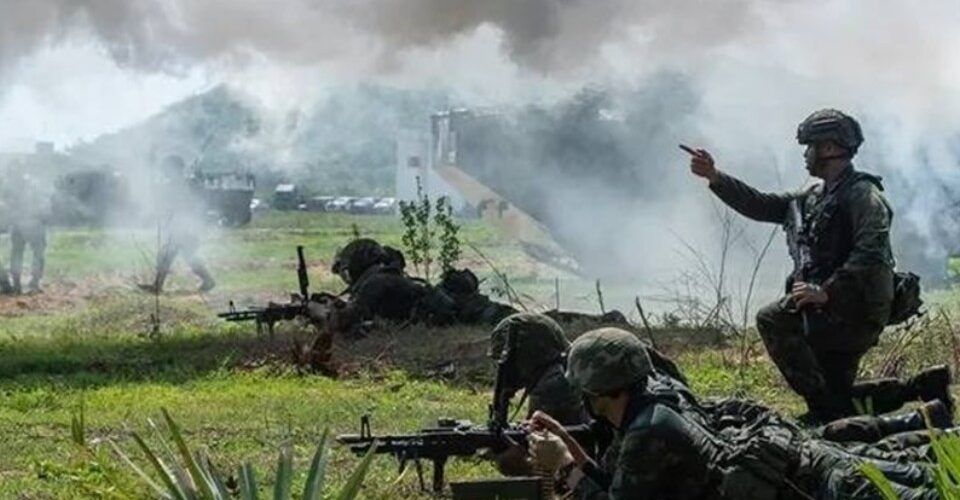
PM Hun Manet acknowledged the phone call with Trump and a prior discussion with Malaysia’s Anwar, stated that Cambodia remained committed to a peaceful resolution in line with the October Kuala Lumpur agreement. He also asked the U.S. and Malaysia to use their intelligence assets to “verify which side fired first.” Cambodia’s defence and information ministries have stated that there is continued Thai airstrikes and accused Thai forces of bombing hotels, bridges and civilian infrastructure.
Regional / international
Malaysian PM Anwar Ibrahim (who helped mediate the October accord) urged calm and said communication channels must remain open; the U.N. Secretary-General urged restraint and offered support for de-escalation and relief.
Weapons, tactics and battlefield notes
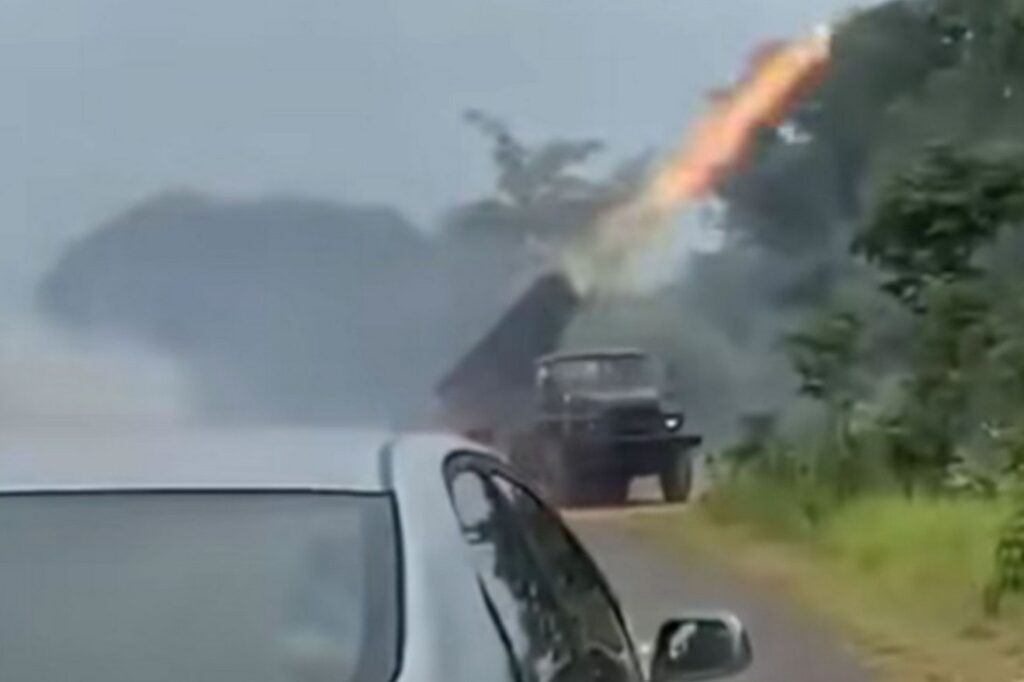
Thai military advantage: Thailand has deployed fighter jets (reported F-16s) and conducted airstrikes on what it describes as Cambodian military positions and long-range rockets. Cambodia has used truck-mounted BM-21 rocket systems with ranges of 30–40 km and deployed ground artillery and mobile anti-vehicle munitions.
Landmines and booby traps: Thailand suspended parts of the October de-escalation agreement after Thai forces were injured by a mine that Bangkok says was newly laid by Cambodian forces. Cambodia denies laying new mines and points to legacy mines from past conflicts. The mine/IED dispute is a major barrier to resuming trust and the practical elements of any ceasefire.
The strategic implications and national interests
- Territorial and symbolic stakes
The crux of the fighting revolves around the century-old territorial disputes and contested sovereignty at undemarcated points along an 817-km (508-mile) land border, especially areas around ancient temple sites such as Preah Vihear.
- Military balance and escalation risk
Thailand has a stronger military, larger budget, air power and more sophisticated arms in comparison to Cambodia, which has relied on long-range rockets and asymmetric tactics. Thailand’s readiness to deploy jets and long-range fires raises the risk of higher destruction and civilian harm. Cambodia’s rocket barrages threaten Thai border towns. Those differences make measured, verifiable de-escalation politically difficult for both governments.
- Domestic politics and legitimacy
Nationalist pressures and the need for leaders to appear decisive are driving hard-line rhetoric. Thai leaders have demanded apologies and guarantees from Cambodia before pausing operations. Cambodian leaders have appealed for international sympathy and proof (satellite/electronic) of initiated the firing first. Those dynamics have complicated the mediated compromises.
- Regional stability and economy
The clashes risk wider regional fallout such as the trade and cross-border commerce being disrupted. The analysts warn of negative growth impacts for Cambodia if the conflict continues and border trade remains blocked. ASEAN’s diplomatic standing is tested as well, with Malaysia and the U.S. playing visible mediating roles. Economic assessment briefs have flagged potential near-term downside risks to Cambodia’s growth if the conflict persists.
- External actors and alignment
The involvement of the United States (through Trump’s interventions) and Malaysia in mediation raises questions about outside leverage and credibility especially when ceasefire claims are publicly announced while fighting persists on the ground. Both countries are also watched by other regional powers. China has longstanding ties with Cambodia and is an influential regional security and economic player, while ASEAN mechanisms and U.N. appeals remain avenues for pressure and assistance. (Reporting notes the diplomatic complexity but the immediate public face of mediation has been U.S.–Malaysia.)
The gap between Washington’s public portrayal and the battlefield reality has undermined the immediate credibility of the ceasefire claim and highlighted the limits of external diplomatic “declarations” when verification and enforcement mechanisms are absent or contested.
Despite a high-profile public claim by President Trump that he had secured a renewed ceasefire, fighting continued on the border, displaying the gulf between diplomatic announcements and field verification. The clash is driven by deep historical grievances, nationalist politics, and recent tactical incidents (notably landmine injuries and alleged new mine-laying) that make simple “declared” pauses fragile. Durable resolution will require independent verification, clear steps on mine clearance and troop withdrawal, humanitarian relief, and face-saving political arrangements for both capitals and until those are in place, external statements alone are unlikely to halt the guns.
More on the Thailand – Cambodia conflict:
Thailand and Cambodia deploy Jets, Rockets, Artillery in border clash: https://www.thestrategicperspective.org/thailand-and-cambodia-deploy-jets-rockets-artillery-in-border-clash/
Ceasefire between Thailand and Conflict after the deadly border clash: https://www.thestrategicperspective.org/ceasefire-between-thailand-and-conflict-after-the-deadly-border-clash/