

According to reports, Greece is prepping for a potential deployment of its naval assets to assist its maritime security operations in the Strait of Hormuz.
It is reported that the Hellenic Navy has been placed on heightened readiness as options are being assessed for the kind of contribution that Athens may provide to the multinational mission which is to focus on mine-clearing support, maritime surveillance, and the protection of commercial shipping operating in and around the strategic waterway.
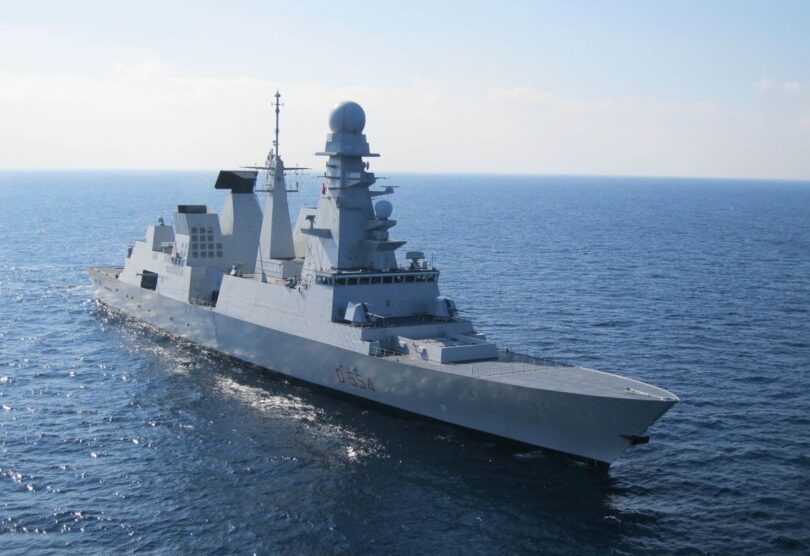
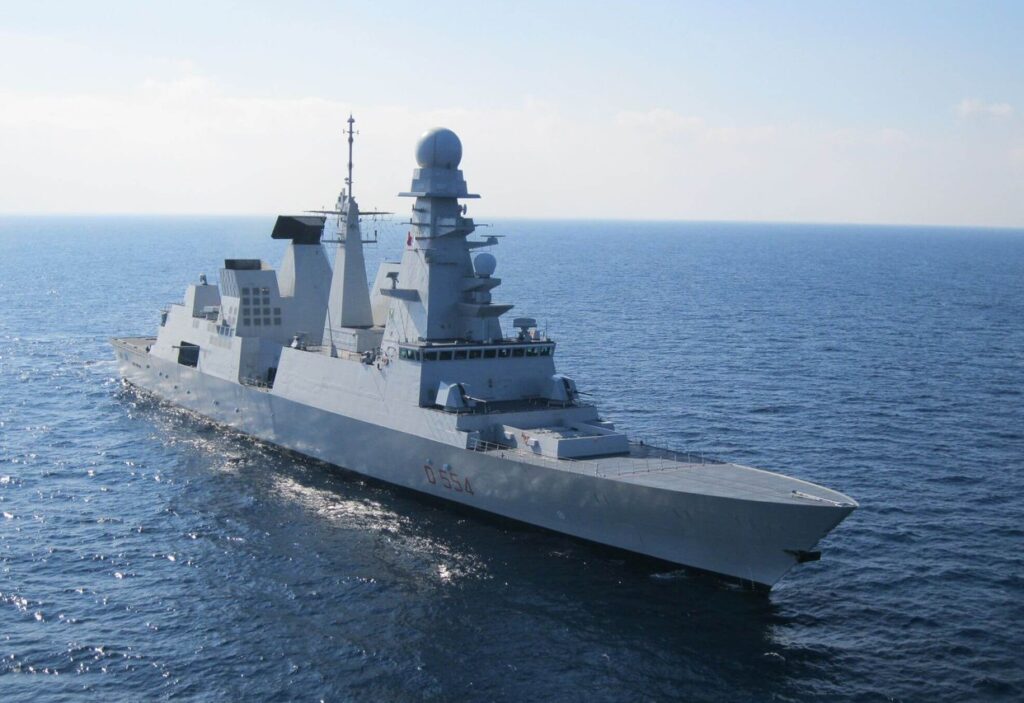
Furthermore, there are reports of deploying a MEKO-class frigate (assigned to the European Union's Operation Aspides), alongside Prometheus, the largest vessel in the Greek Naval fleet. The mission would not potentially involve direct mine-clearing operations by Greek forces but would possibly provide logistical, operational, and security support to a broader coalition effort.
Launched in February 2024, Operation Aspides is a European Union military maritime security mission which was created to protect commercial shipping from attacks in the Red Sea, Gulf of Aden, Arabian Sea, and surrounding waters. The mission was established due to repeated attacks on merchant vessels by Yemen’s Houthi movement. As a result, many shipping companies were forced to reroute vessels around the Cape of Good Hope, adding significant time and cost to global trade.
Unlike some U.S.-led operations, Aspides is not designed for offensive strikes on targets ashore but focusses primarily on protecting shipping and ensuring freedom of navigation.
Hence several European officials are considering whether Operation Aspides could serve as the framework for the maritime security or mine-clearing mission in the Strait of Hormuz. Based on the fact that Aspides already has ships operating in nearby waters and also possesses an established command structure the suggestion may appear pragmatic to most European governments.
European officials have been evaluating methods required to expand maritime security arrangements in the region, including proposals that would give the EU's naval mission, Aspides, a leading role in future mine-clearance activities should conditions permit.
On basis of already available info, the first scenario would involve a six-month deployment if regional conditions stabilize and key stakeholders tolerate the presence of an international mission. A second option would extend operations for up to a year should security threats from non-state actors or independent armed groups continue. A third scenario call for the mission to being postponed or abandoned altogether if diplomatic efforts fail to create a sustainable security environment.
The issue is expected to feature prominently during discussions involving Greek Defense Minister Nikos Dendias at NATO meetings, where collective responsibility and maritime security are likely to be focal topics. Washington has reportedly encouraged allies to play a larger role in maintaining freedom of navigation in the Gulf region, while European governments continue debating the structure and leadership of any future operation.
Greece controls one of the world's largest merchant shipping fleets, with Greek-owned vessels carrying a significant share of global energy cargoes. Any disruption in the Strait of Hormuz directly affects Greek shipping interests and the broader international energy market. Recent maritime advisories issued by Athens have already indicated concerns over vessel safety in the region and the need for enhanced surveillance of Greek-owned ships operating near the Gulf.
The evolving position is a notable shift from earlier, when Greek officials rejected participation in a dedicated Hormuz naval operation, insisting that Athens would remain focused on Operation Aspides and its existing commitments in the Red Sea. The latest discussions suggest that changing regional conditions and growing pressure for allied burden-sharing may be prompting a reassessment of Greece's role.
European policymakers remain divided over how any Hormuz mission should be organized. Some favour expanding the mandate of Operation Aspides, while others advocate a separate coalition framework led by willing nations and operating alongside existing EU structures. France and the United Kingdom have reportedly emerged as primary advocates for a broader multinational maritime presence, though any deployment would likely depend on regional acceptance and continued diplomatic engagement.
As discussions continue, Greece appears to be potentially positioned to play a significant supporting role in any effort to secure the Strait of Hormuz. Whether that role ultimately materializes will depend on diplomatic developments, alliance consensus, and the security conditions that emerge.
More on maritime security:
Aegean–Black Sea Corridor 2025: Greece, Bulgaria & Romania Strategic Transport Agreement: https://www.thestrategicperspective.org/aegean-black-sea-corridor-2025-greece-bulgaria-romania-strategic-transport-agreement/
Italy and India Deepen Strategic Defence Ties: https://www.thestrategicperspective.org/italy-and-india-deepen-strategic-defence-ties/
Indian Navy Assumes First Ever Command of Combined Task Force (CTF) 154: https://www.thestrategicperspective.org/indian-navy-assumes-first-ever-command-of-combined-task-force-154/
INS Trikand’s Mediterranean Mission: Debunking the Turkish “Ultimatum” Story: https://www.thestrategicperspective.org/ins-trikands-mediterranean-mission-debunking-the-turkish-ultimatum-story/
US Blocks Engine Exports for Turkey’s KAAN Fighter Jet: https://www.thestrategicperspective.org/us-blocks-engine-exports-for-turkeys-kaan-fighter-jet/
Investigation ‘Calypso’: EPPO strikes criminal networks flooding EU with fraudulent Chinese imports: https://www.thestrategicperspective.org/investigation-calypsoi-eppo-strikes-criminal-networks-flooding-eu-with-fraudulent-chinese-imports/