

Key Development and Date
On 26 February 2026, India and Israel issued a joint official statement following high-level talks, emphasizing the expansion of defence cooperation and the importance of translating partnerships into “tangible outcomes.”
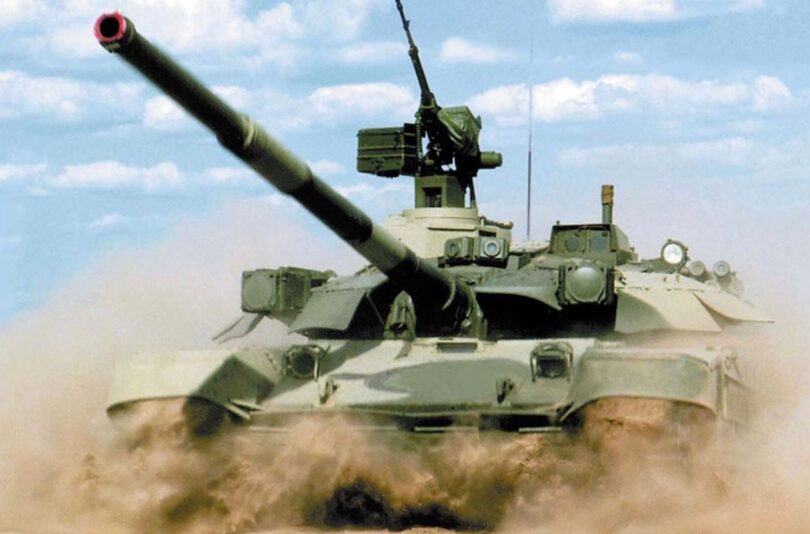
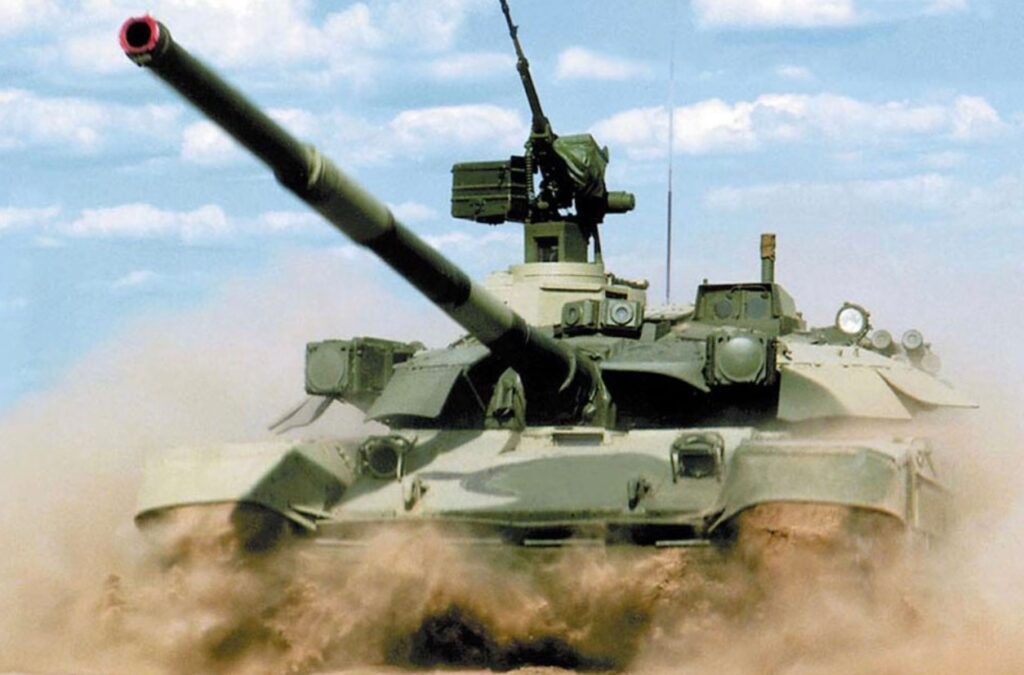
According to a report published on 27 February 2026, the Indian Army too has confirmed that Thermal Imaging Fire Control Systems (TIFCS) developed through Indo-Israeli collaboration in Bengaluru have been installed on 96 T-72 tanks, have cleared firing validation trials and have been approved for operational induction.
This is a defining milestone in augmenting the combat effectiveness of India’s extensive T-72 main battle tank fleet
The System
The Thermal Imaging Fire Control System (TIFCS) is designed to:
- Enable accurate targeting in low-visibility and night conditions.
- Improve first-round hit probability
- Enhance target acquisition and tracking capabilities
Such systems are crucial for modern warfare, where engagements increasingly occur in all-weather, day-night conditions.
Background: Indo-Israeli Defence Cooperation
India and Israel have steadily deepened defence ties over the past two decades, especially in:
- Surveillance and radar systems
- Missile defence (example Barak systems)
- Advanced electronics and fire-control technologies
These partnerships typically combine Israeli high-end technology, Indian manufacturing and integration capabilities. TIFCS project reflects this model as it is being developed domestically with foreign technological inputs.
Operational Significance
The induction of these systems is expected to:
- Extend the operational life of T-72 tanks, which form a large part of India’s armoured corps
- Provide a major upgrade in night-fighting capability, a key weakness in older platforms
- Improve combat readiness in high-risk sectors, including border regions
The successful trials indicate that the systems have met stringent battlefield performance standards required by the Indian Army.
Wider Modernization Context
The move is part of India’s broader push to upgrade legacy platforms instead of replacing them completely. India plans to integrate advanced electronics and targeting systems, while boosting production on soil under its make in India policy.
Alongside partnerships with Russia, the US and Europe, Israel clearly provides niche high-tech capabilities (electronics, sensors, UAVs) with faster expedited delivery and fewer political constraints
This diversification enhances India’s strategic autonomy.
The current development also aligns with ongoing efforts to prepare for high-intensity, technology-driven warfare scenarios.
Israel’s defence industry is heavily export-driven. India is one of its largest and most reliable partners. Through projects like TIFCS, Israel is able to secure long-term defence contracts, increase its engagement with one of the world’s largest military markets and build recurring revenue through upgrades and maintenance of the supplied weapons systems etc.
Strengthening defence ties with India also aids Israel in enhancing its political and strategic alignment in Asia while securing a dependable partner beyond its immediate region.
Official Position and Implications
While detailed official statements remain limited, the Army’s confirmation of successful trials and induction readiness project a strong institutional confidence in the system’s battlefield performance.
Conclusion
The successful induction of Indo-Israeli fire control systems marks a practical and scalable upgrade to India’s armoured forces. By enhancing night combat capability and precision targeting, the Indian Army is effectively leveraging its readiness without waiting for entirely new platforms — an approach that balances cost, speed, and effectiveness in a rapidly evolving security environment.