

A Three-Pronged Energy Strategy
The initiative is part of a policy framework aimed at reducing the vulnerability to global oil shocks. The immediate priorities of this mission are to launch a deep-water exploration mission and expand strategic petroleum reserves by 6 million metric tonnes (MMT).
This would push India’s emergency oil buffer toward 90 days of demand - a benchmark associated with advanced energy-importing economies.
With India importing roughly 85% of its energy needs, the challenges stem from potential supply disruptions especially from political or economic instabilities in regions like West Asia.
Mission Samudra Manthan: The Deepwater Gamble
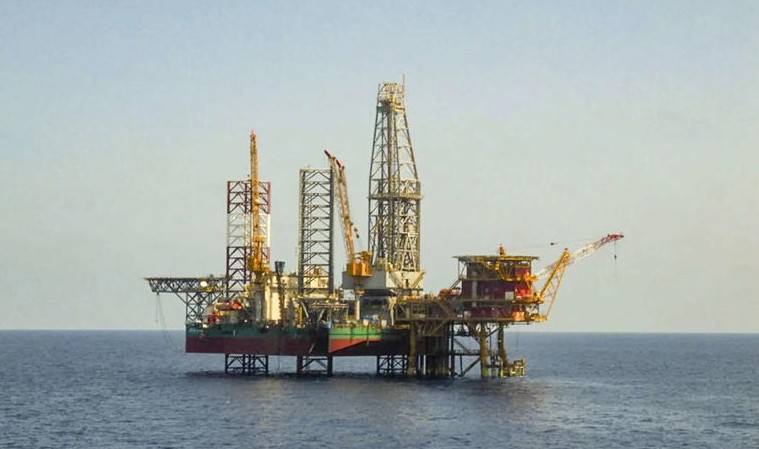
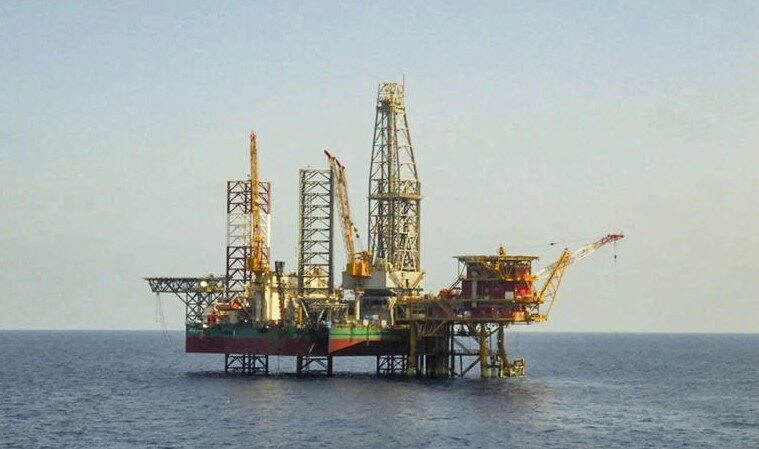
Mission Samudra Manthan is aimed at unlocking oil and gas reserves beneath India’s deep ocean basins.
The key objectives are to increase exploratory drilling from 30 wells annually to 100 wells per year, to conduct deep-water drilling in underexplored offshore regions, expansion of geological mapping through stratigraphic wells and boosting long-term hydrocarbon reserves and domestic production.
India’s offshore basins specifically the deep-water zones remain considerably underexplored compared to global standards. The mission indicated a shift from incremental exploration to a “mission-mode” approach, emphasizing scale, speed, and risk-taking.
Long-term projections are ambitious:
- Hydrocarbon reserves could rise significantly by 2047
- Crude oil production could more than triple over time
- Natural gas output is expected to see parallel growth
Beyond hydrocarbons, the mission also ties into India’s broader Deep Ocean Mission, which includes technological development, seabed mapping, and resource extraction capabilities.
Strategic Petroleum Reserves: Insurance Against Crisis
While deep-water exploration addresses long-term supply, strategic petroleum reserves (SPR) provide immediate protection.
India’s reserve system developed soon after the 1990–91 Gulf War exposed its vulnerability, which includes underground storage facilities and refinery stocks covering roughly 80 days of demand. This can lead to several security challenges.
Thus the proposed addition of 6 MMT would:
- Strengthen emergency preparedness
- Cushion against price spikes
- Reduce exposure to supply chain disruptions
The metaphor “Samudra Manthan”- Mythology Meets Modern Policy
The name “Samudra Manthan” is derived from the ancient Hindu scripture which mention the Samudra Manthan—the “churning of the ocean.”
In this foundational story from texts like the Bhagavata Purana and the Mahabharata, gods (devas) and demons (asuras) churn the cosmic ocean to extract hidden treasures, including amrita, the nectar of immortality.
Symbolic parallels are drawn with the mission:
- Ocean as a source of hidden wealth yielding Deep-sea hydrocarbons and minerals
- Churning as effort and risk leading to complex, high-cost deep-water drilling
- Amrita as reward which point to Energy security and economic resilience
Economic and Strategic Implications
Mission Samudra Manthan is a macroeconomic strategy.
Potential benefits:
- Reduced import dependence
- Improved trade balance
- Greater insulation from oil price volatility
- Development of domestic offshore technology and expertise
Key risks:
- High capital costs of deep-water exploration
- Uncertain discovery outcomes
- Environmental and regulatory challenges
- Long gestation periods before production
Conclusion: Churning Toward Self-Reliance
India’s decision to pair deepwater exploration with expanded oil reserves reflects a clear strategic shift from reactive energy management to proactive resource development.