
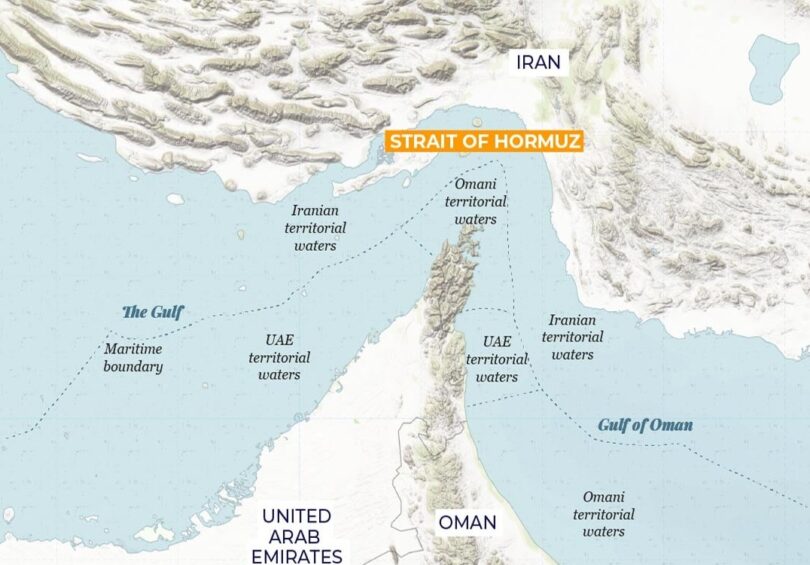

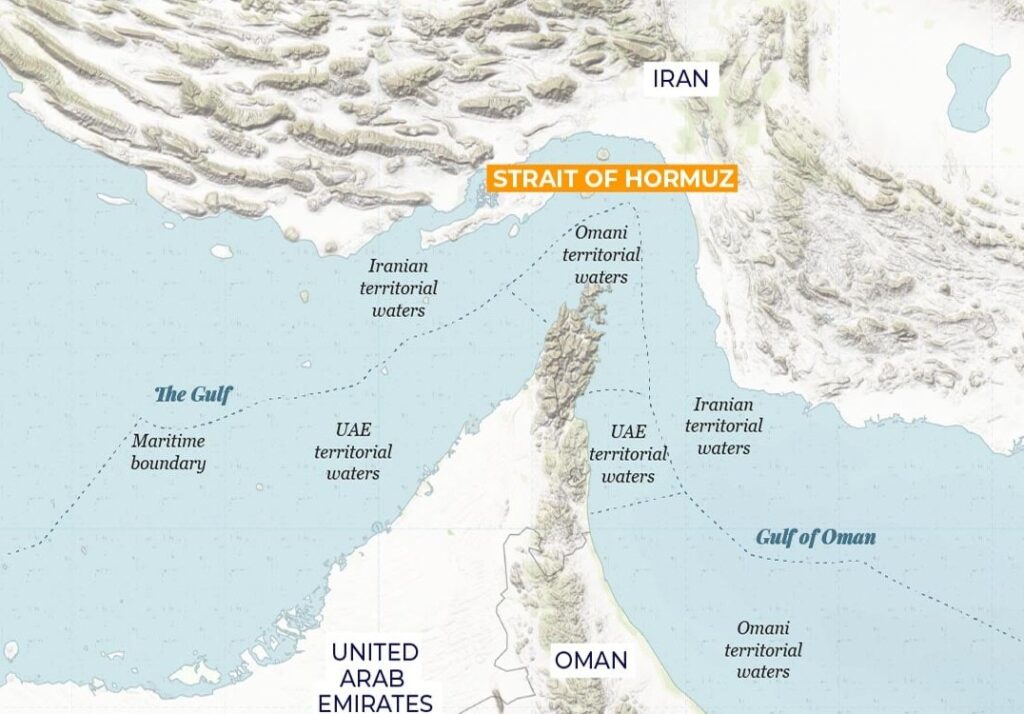
According to various reports, both Iraq and Pakistan have concluded separate arrangements with Iran to allow the movement of oil and liquefied natural gas (LNG) shipments through the Strait of Hormuz. The developments indicate Iran’s growing influence in one of the most strategically important energy corridors.
The ongoing conflict involving Iran, the United States, and Israel has led to the disruption of energy exports from the Gulf region. This typically accounts for nearly one-fifth of global crude oil and LNG supplies. U.S. naval actions and heightened military tensions have limited shipping activity around Iranian ports, while there is a growing apprehension over complete shutdown of the Strait of Hormuz globally.
It appears that Iran may have shifted its strategy from fully blocking the strait to a selective control over maritime access in the area. According to experts at the Oxford Institute for Energy Studies, the waterway is increasingly functioning less as an open international passage and more as a monitored transit corridor under the Iranians.
Iraq has been particularly susceptible to disruptions because large portions of its crude oil exports pass through Hormuz. A cash strapped Pakistan depends heavily on imported Gulf energy and has been struggling with the sharp rise in fuel prices and the increased electricity demand during the summer season.
According to reports, Iraq recently secured safe passage for two super tankers carrying approximately two million barrels of crude each. The vessels have been reported to have crossed the Strait of Hormuz without incident after negotiations between Baghdad and Tehran. Iraqi officials are now attempting to establish a broader framework that would permit additional oil shipments to move through the area safely.
Oil exports are essential to Iraq as they contribute to 95% of government revenue. On basis of reports, the officials familiar with the talks have stated that both countries are strongly leaning to reinstituting economic stability while also benefitting Iran with continued trade and cooperation with neighbouring Iraq.
Pakistan has reportedly reached a similar understanding with Tehran. Two LNG tankers carrying Qatari gas supplies are said to be enroute to Pakistan under a separate arrangement negotiated between Islamabad and Iranian authorities. Prior to the escalation of the conflict, Pakistan imported around ten LNG cargos per month to support its power generation sector.
Sources established that neither Iraq nor Pakistan made direct financial payments to Iran or the Islamic Revolutionary Guard Corps (IRGC) in exchange for passage rights. Qatar was reportedly informed of the LNG transit arrangements and notified the United States prior to the shipments, although Doha was not directly involved in the negotiations. It can be deduced that the regional governments are now adapting to the growing instability in Gulf shipping lanes. It is also imperative to mention that if more nations start negotiating individual transit agreements with Iran, it could gradually legitimize Tehran’s long-term control over the Strait of Hormuz.
Over 3,000 vessels moved through Hormuz every month prior to the conflict. Additionally shipping traffic has reportedly dropped dramatically since the conflict, reaching only a small fraction of normal levels. The disruption has pushed global energy prices to shoot higher, with Brent crude rising more than 50% since the outbreak of fighting. LNG prices in both European and Asian markets have also sky rocketed due to fears of prolonged supply shortages.
Iran has clearly indicated its intention to maintain its influence over the strait even after the conflict ends. Tehran is seeking sanctions relief, compensation, and access to frozen financial assets as part of any future settlement. However, negotiations remain difficult, with US officials rejecting several Iranian demands.
According to sources, Iran is currently implementing more official transit procedures for ships traversing through the area. Iraqi authorities, for example, are reportedly required to submit detailed documentation for each tanker, including ownership records, cargo specifications, destination information, and shipping routes. Iranian naval forces are said to supervise designated maritime corridors to reduce the risk of incidents.
Pakistani officials involved in discussions with Tehran confirmed that negotiations have been unpredictable, especially due to changing conditions imposed by the IRGC. However, it appears that both sides remain committed to maintaining the flow of critical energy supplies.
More on the US-Iran war:
“Get Your Own Oil”: Trump Blasts Allies as NATO Splits over Iran War: https://www.thestrategicperspective.org/get-your-own-oil-trump-blasts-allies-as-nato-splits-over-iran-war/
Kharg Island’s Strategic Role in the Iran–US Crisis: https://www.thestrategicperspective.org/kharg-islands-strategic-role-in-the-iran-us-crisis/
Patriot Missile Incident in Bahrain: Civilian Blast Raises Questions in the 2026 Iran War: https://www.thestrategicperspective.org/patriot-missile-incident-in-bahrain-civilian-blast-raises-questions-in-the-2026-iran-war/
US National Defense Strategy and Iran: https://www.thestrategicperspective.org/us-national-defense-strategy-and-iran/
Iran Underestimated: https://www.thestrategicperspective.org/iran-underestimated/