
Introduction
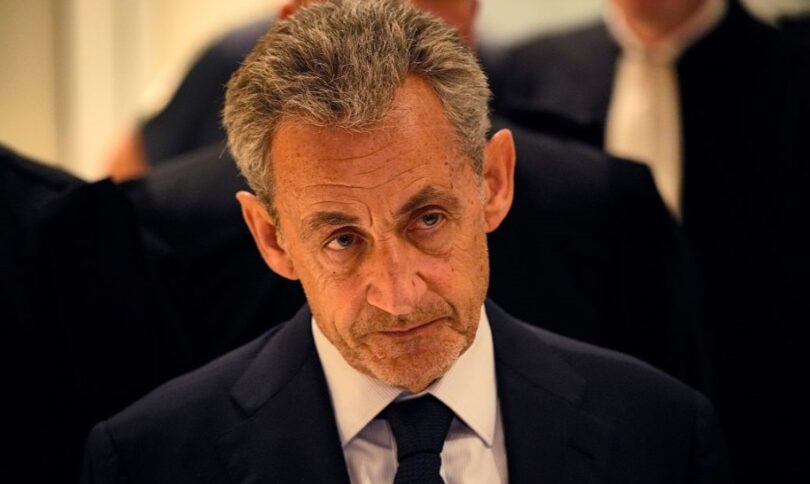
Nicolas Sarkozy served as President of France from 2007 to 2012. Prior to becoming the President, he served as Interior Minister and Finance Minister of France. His presidency was characterized by rhetoric on security, immigration, economic reform and international diplomacy.
When Nicolas Sarkozy swept into the Élysée Palace in 2007, he promised a France of efficiency, energy, and ethical renewal. Nicknamed “the hyper-president” for his efforts and reforms, he projected a countenance of a reformer and a dedicated leader.
Eighteen years later, Sarkozy has made news not as a reformer, but as the first former French President who will serve time in prison. His imprisonment in 2025 is the culmination of a long, tangled web of scandals involving corruption, influence-peddling, and illegal campaign financing.
1. The Web of Allegations
The Libyan Connection: Cash and Conspiracy
According to reports, Sarkozy’s 2007 presidential campaign was clandestinely funded by Muammar Gaddafi’s regime. The Prosecutors allege that the intermediaries siphoned millions of euros in Libyan cash through covert channels — bribes disguised as campaign donations. Documents later found in Tripoli reveal that Libya had agreed to provide up to €50 million to Sarkozy’s campaign. Many witnesses, including former Libyan officials and intelligence figures, testified that meetings were held between Sarkozy’s aides and Libyan representatives to discuss the transfers. While direct proof of cash reaching Sarkozy’s hands was elusive, the court found a pattern of covert contacts and financial irregularities which supported the charge of criminal conspiracy. Sarkozy continues to insist on his innocence, describing the verdict as a “political assassination.”
The Bygmalion Affair: Overspending and Deception
In his 2012 re-election campaign, Sarkozy’s team exceeded France’s legal spending limits by nearly €20 million. To cover their financial trail, they supposedly utilized the PR firm Bygmalion to create fake invoices which disguised campaign events as party gatherings. The court ruled that Sarkozy willingly ignored the overspending and relied on a false accounting system to maintain the legality. In 2024, he was sentenced to one year in prison, with part of the term suspended.
The Wiretapping Scandal: Secrets and Favors
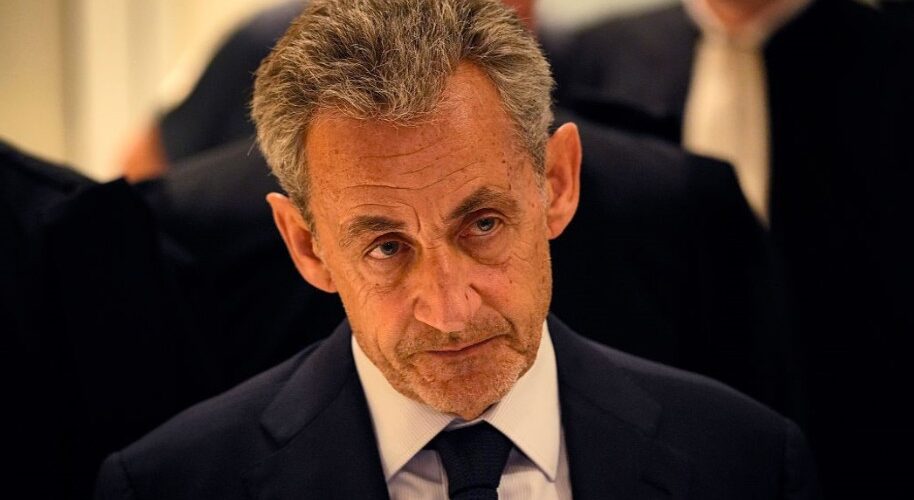
In 2014, in a probe the investigators wiretapped Sarkozy’s phone to proceed with investigations. It was discovered that Sarkozy had been using the alias Paul Bismuth to communicate with his lawyer. The recordings also uncovered attempts made to bribe a judge — offering a coveted position in Monaco in exchange for confidential information. In 2021, Sarkozy was found guilty of corruption and influence-peddling and sentenced to three years in prison (one to serve). The conviction was later upheld on appeal.
Other Financial Shadows
Other inquiries — including those involving L’Oréal heiress Liliane Bettencourt and post-presidential consulting deals — further tarnished his image.
2. A Decade of Scandal: Key Events and Verdicts (2007–2025)
Year | Case / Event | Outcome |
2007 | Elected President; alleged Libyan payments begin | — |
2011 | Fall of Gaddafi reveals possible campaign funding links | Investigation opened |
2012 | Bygmalion overspending affair surfaces | Legal inquiry begins |
2013 | Bettencourt donations case | Sarkozy cleared |
2014 | Wiretapping (“Bismuth”) case | Formal investigation launched |
2021 | Corruption & influence-peddling conviction | 3-year sentence (1 to serve) |
2023 | Conviction upheld on appeal | House arrest |
2024 | Bygmalion illegal campaign financing conviction | 1-year sentence |
2025 | Libyan conspiracy conviction | 5-year prison term (begins October 21) |
3. The Historical Significance
Sarkozy’s imprisonment is unprecedented in recent French politics. Not even Jacques Chirac, who received a suspended sentence for corruption, served actual jail time. By enforcing Sarkozy’s five-year verdict, the court has set a precedence that the rule of law does not stop at the gates of the Élysée.
4. The Paradox of Legacy
Sarkozy’s political life remains paradoxical. He was, viewed as an effective leader known for his decisiveness especially during the 2008 global financial crisis, his assertiveness in foreign policies and his determination to reform France’s economic and social systems. Yet, his legacy is now dominated by scandal.
5. The Price of Power
As Sarkozy spends his days in La Santé prison, France will be forced to reflect the irony of his journey — from a president who promised integrity to a convict. The seriousness of the verdict was justified, in part, by the court with reference to the “exceptional gravity” of the offence and the damage to public trust.
More France-related topics:
INS Trikand’s Mediterranean Mission: Debunking the Turkish “Ultimatum” Story: https://www.thestrategicperspective.org/ins-trikands-mediterranean-mission-debunking-the-turkish-ultimatum-story/
Newly appointed French Prime Minister Lecornu resigns after naming cabinet: https://www.thestrategicperspective.org/newly-appointed-french-prime-minister-lecornu-resigns-after-naming-cabinet/
The socialist dreams for India of a French economist: https://www.thestrategicperspective.org/visual-composer-1665/
Dassault contracts JVs with Tatas for Rafale fuselage and Ambanis for Falcon jet to be made in India: https://www.thestrategicperspective.org/dassault-contracts-jvs-with-tatas-for-rafale-fuselage-and-ambanis-for-falcon-jet/
The Return of the Nuclear Deterrence Challenge in Europe: https://www.thestrategicperspective.org/dassault-contracts-jvs-with-tatas-for-rafale-fuselage-and-ambanis-for-falcon-jet/