
It was a heady period for Pakistan’s first dictator President, self –promoted to Field Marshal, Ayub Khan. Flush with the acquisition of then-modern Patton Tanks, Sabre aircraft and other sophisticated equipment from the US, Pakistan Army’s operation ‘Gibraltor’ was planned with the aim of annexing India’s Jammu & Kashmir. It had built up quite a formidable force of two armoured divisions to only one (of British Centurian, American Sherman and French AMX-13 tanks-all of World War II vintage-and Indian made ‘Gnat’ aircraft) held by India, which, economically, was facing the effects of a bad harvest and militarily trying to recover from the reverses of the Sino-Indian war of 1962. Ayub, who often boasted that “one Pakistani soldier was equivalent to ten Indian soldiers”, began further boasting with his generals about “reaching the Gates of New Delhi”. When Pak army began its 1965 war by experimenting an attack on Indian Army in the salt-water plains of the Rann of Kutch, it was repulsed.
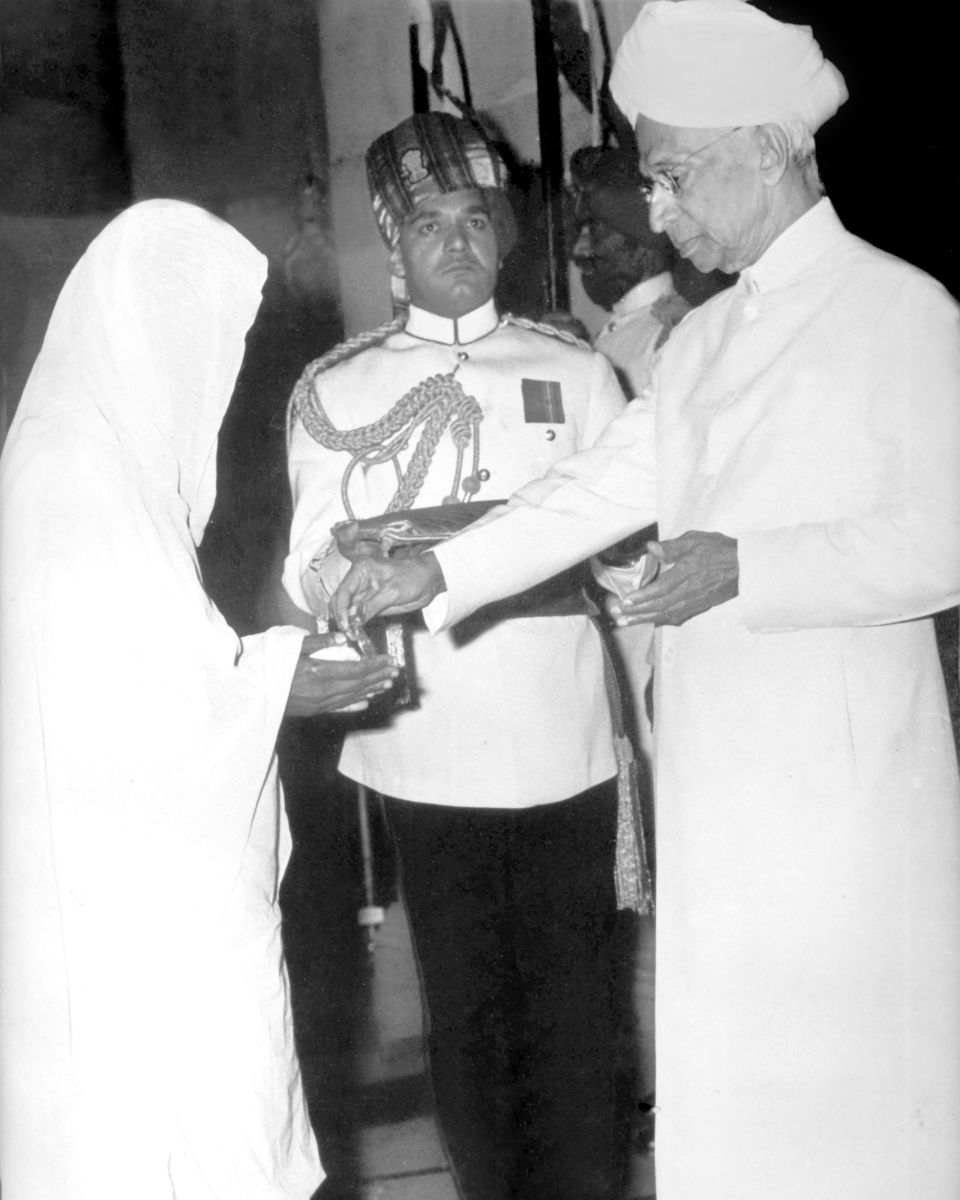
Meanwhile, apart from then President Sarvepalli Radhakrishnan, Prime Minister Lal Bahadur Shastri and Defence Minister Y B Chavan addressing troops to raise their morale, the planning for this war was based on soft options. It was to be a defensive and reactive war planned by a combination of civil and military leaders, whose approach for the second time against Pakistan was ‘land-locked and sea-blind’. The only role for the Indian Navy, kept out of the planning loop, was its then Chief, Admiral B S Soman visiting the battle areas literally as a guest.
However, how the tables were turned on Pakistan could perhaps best be seen through the periscopes of one of Indian Army’s crack armoured regiments-4 HORSE (Hodson’s Horse), in which, ironically, Ayub’s father, Risaldar-Major Mir Dad Khan had served.
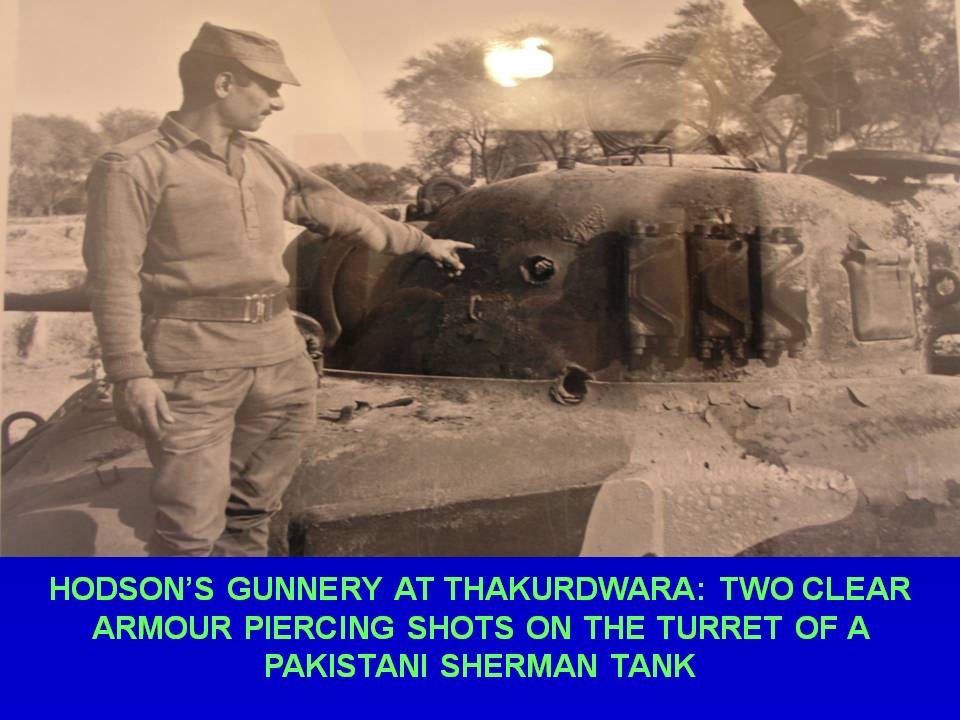
During the 1965 India-Pakistan war 4 HORSE was operating in the general area of Libbe-Alhar-Phillora of the Sialkot (South-West of Jammu) Sector in Pakistan. Rain had made the ground very slushy and the sugar-cane, which had grown fairly tall, affected visibility here and there. While intense tank to tank engagements were on, with highly lethal projectiles whizzing and hissing all around, the Commanding Officer’s tank, with the incumbent, Lt Col (retired as Brig) MMS Bakshi and his Signal-cum Intelligence Officer, Capt (retired as Brig) Ravi Malhotra, saw in the distance four Patton tanks of the enemy. Bakshi barked out firing orders, which were responded to with actions by the gunner, Ajit Singh and the radio operator-cum-loader, Malhotra. The first of the Pattons was hit, then the second, and the third. It was only by the time Bakshi’s tank gun sights had been aimed at the fourth tank, that its gunner had got his act together and both tanks fired simultaneously at each other and both were hit. When the crew of Bakshi’s burning tank bailed out on his orders, they found themselves under small arms fire from the crew of all four Patton tanks which they had just destroyed.
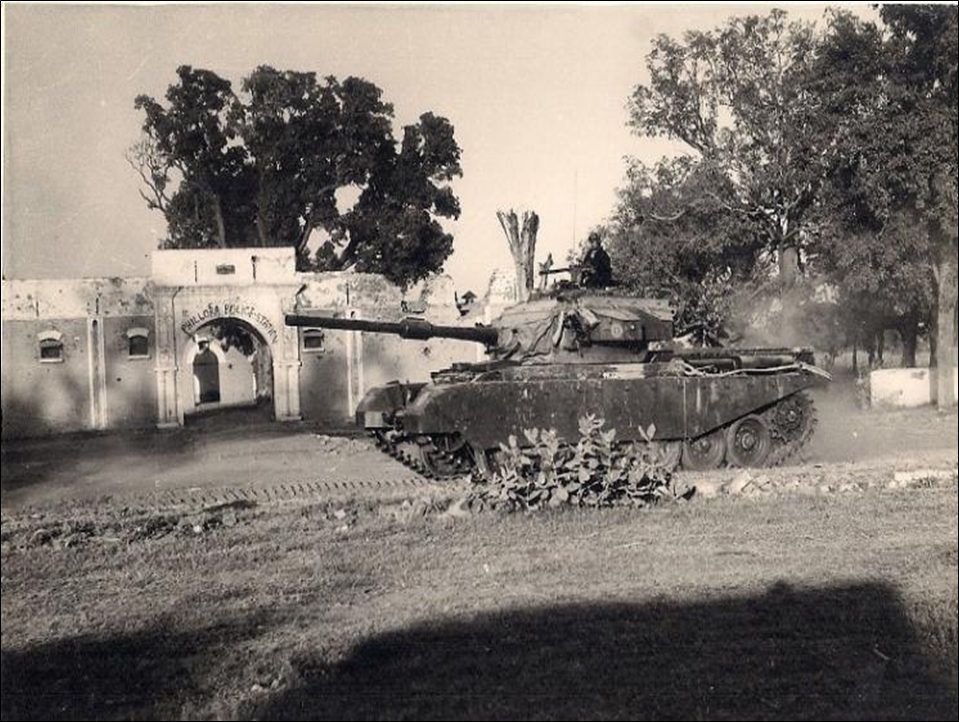
While they had a very narrow escape getting caught in a situation of other own tanks not being in the immediate vicinity, effective fire from four Pattons should have been able to riddle their tank, but that was not so because, as Dafadar Ajit Singh, the crew-member commented in earthy Punjabi “Onnadi gunnery bohot maari hai hor o aagg ton bohot darde hegay” (their gunnery is very poor and they are very scared of flames). He felt that the crew of at least a couple of the enemy tanks could have stuck on and fired a few more rounds before bailing out as is done in Indian Army’s tank regiments. Bakshi, was awarded the Maha Vir Chakra (MVC), while Malhotra, recommended for a Vir Chakra, was Mentioned in Dispatches.
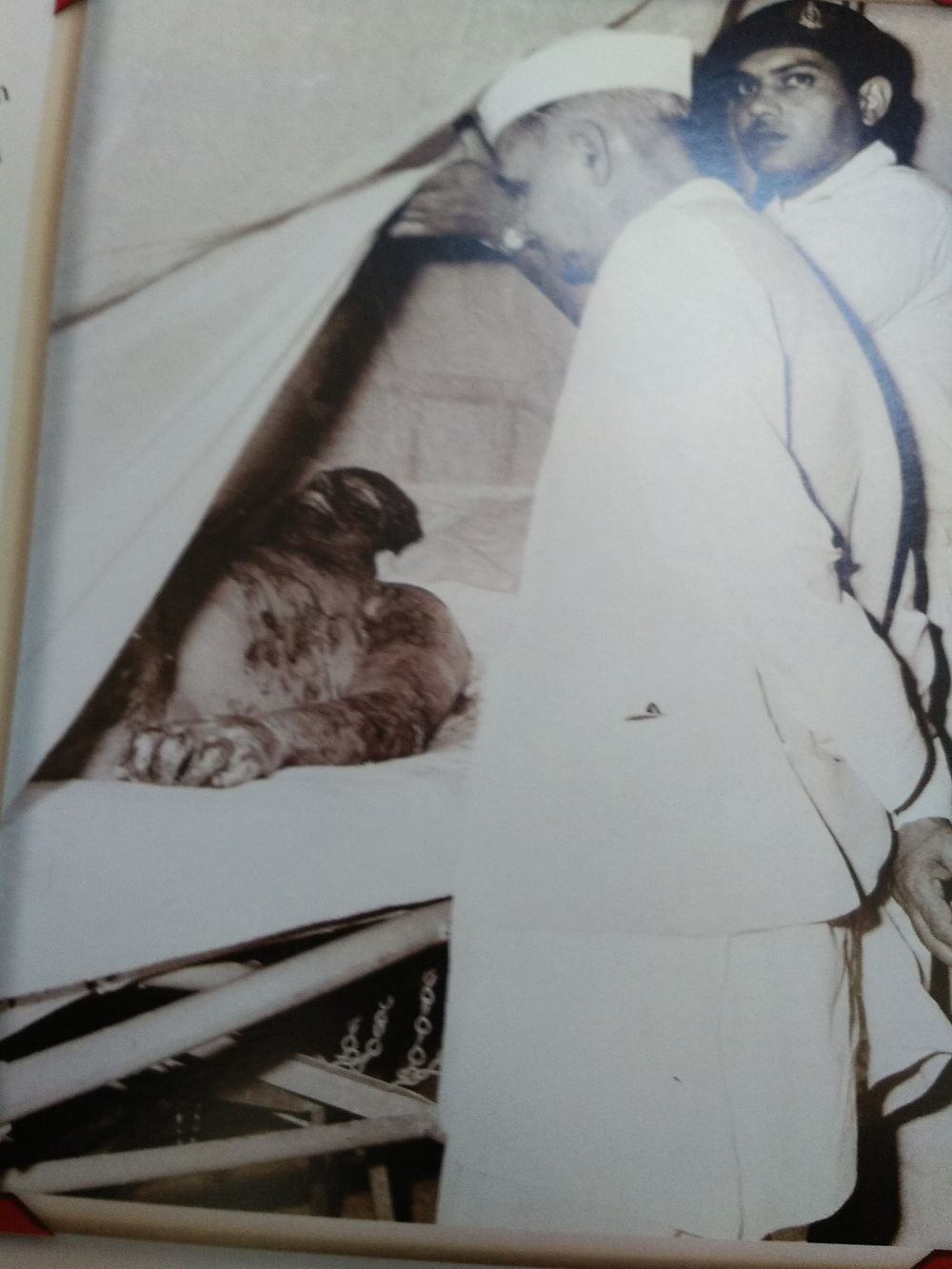
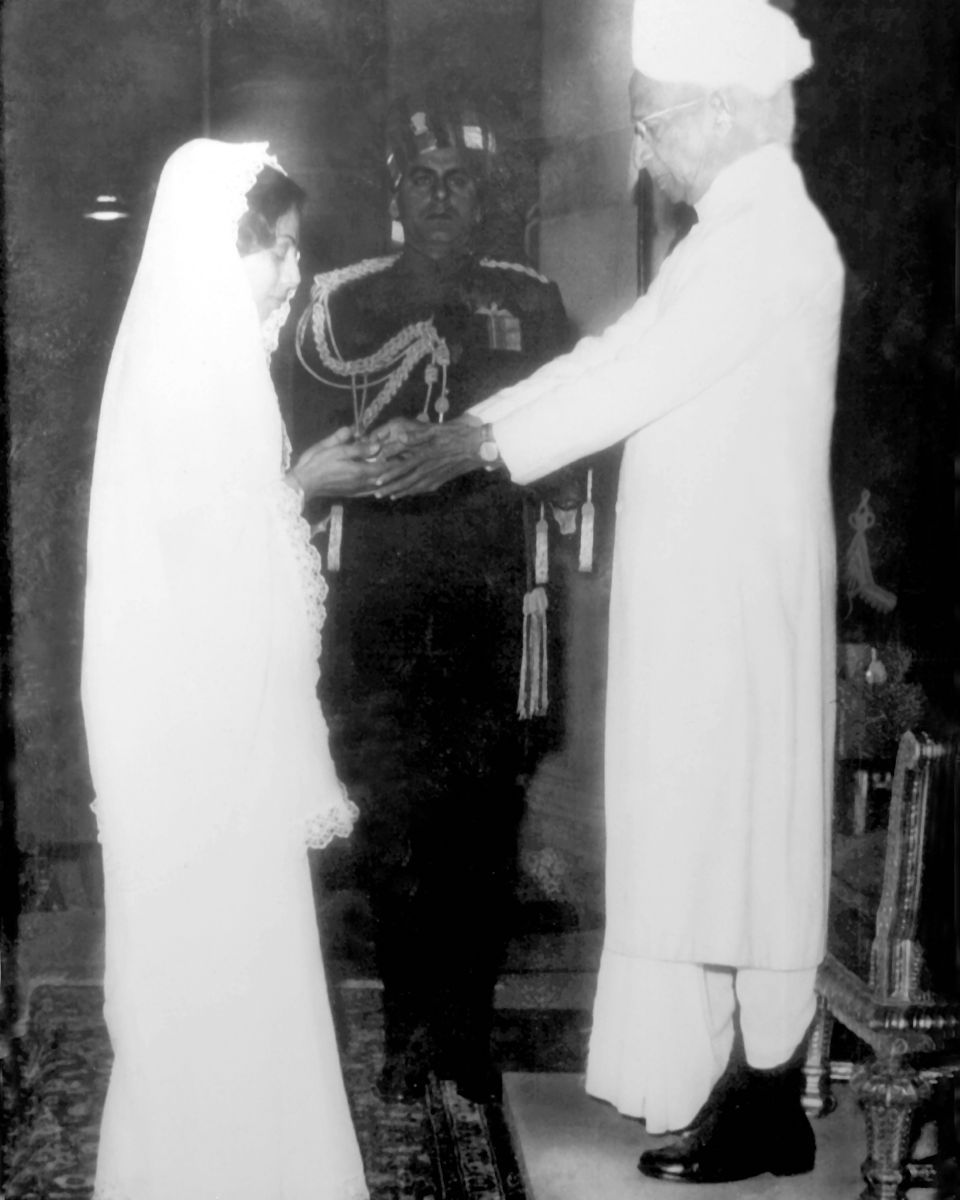
There is perhaps no better example of the second part of Ajit’s comment than another incident in the same regiment, during the same war. One of the squadron commanders, Maj Bhupinder Singh’s tank had been hit more than once. The flames caused by the first hit were quickly doused and he and his crew destroyed four more Patton tanks, till it was hit yet again by a Cobra missile. The flames spread so fast that the driver got burnt in his seat. Bhupinder too suffered severe burn injuries while assisting his crew out of the tank. Evacuated as a serious burns case to Army Hospital, Delhi Cantonment, he shocked the then Prime Minister, Lal Bahadur Shastri, who came there on a morale-boosting visit and the medical staff, by expressing regret at not being able to stand up and salute him. While he was one war-injured patient who the then Prime Minister never forgot, he died after ten days of painful convalescence, and was awarded MVC posthumous.
An excerpt from then Prime Minister Lal Bahadur Shastri’s speech to the nation: “…..I was very much moved to see another officer, Bhupinder Singh, whose whole body was covered with blood. Even now it is difficult to put a piece of cloth anywhere on anywhere on his body. He was lying in bed with eyes closed. He apologized to me for not being able to stand up to show respect to the Prime Minister who was visiting him. He told me that he destroyed seven enemy tanks and that his unit had knocked out thirty-one.”
During the operations in Jassoran, when our infantry was under heavy enemy fire on the 22 September 1965, Lance Daffedar Udham Singh decided to take his tank forward despite limited observation afforded by the terrain. Although his tank was caught in the cross fore of enemy tanks, he succeeded in knocking out two enemy tanks. Meanwhile, his own tank was hit by the enemy and he was killed afterwards. His action, however, enabled the infantry to extricate itself from a difficult situation. For courage and devotion to duty in this action, LD Udham Singh was awarded the Vir Chakra posthumous.
There were others, who did not get any award, but defied all odds of enemy’s air and artillery bombardment, strafing from air and surface, tanks firing etc without any regard for personal safety and destroyed tanks or won laurels for the regiment.
Brig (then Capt) Jasbir Hundal, Sena Medal (later in 1971), shared his experience as the Reconnaissance Troop Leader of the Regiment with Salute magazine. He went through the entire war moving in an open Willy’s jeep, surveying enemy activity and routes to be taken by own tanks for launching attacks on enemy tanks. “We talk and write about ‘shock effect’, but I only realized it once throughout those days when, after driving through heavy enemy fire, I reached Regimental Headquarters tank, briefed the CO about enemy tanks heading our way and then came to JP’s (Brig JP Singh, then Capt / Adjutant) tank ….For 45 minutes I remained in a total daze and finally, shaking out of it, asked JP for a cup of tea.”
This is an extract from ‘Indomitable Iregulars: Hodson’s Horse (4th Horse) 1922-2010’, by Brig (retd) K K Tiwari. At first light on September 11, in the wake of an intense artillery programme, ‘C’ Squadron started its advance as planned. Within minutes, the enemy artillery opened up. ‘C’ Squadron also came under an enemy air attack in which the Squadron Commander’s tank came in for special attention. None of our tanks was hit but during a strafing run Maj CB (Chikky) Desraj Urs, OC ‘C’ Squadron was wounded in the eye by a sharpnel. However, he refused to be evacuated and gallantly led his squadron till capture of their objective- Rurki Kalan, after which he was evacuated and the command of his Squadron fell on his young shoulders of 2/Lt AK Nehra. There was hardly any enemy resistance unto Rurki Kalan as he had fled as soon as he saw our tanks approaching. In ay case in the early morning haze, enemy tanks and RCLs were unable to fire effectively at our tanks. However, Rurki Kalan remained a thorn on our side for quite a few days. We found several days that the enemy had a well-developed underground trench system and shelters for Mujahids, stay behind parties and Artillery Observation Posts and they were well stocked with ammunition and rations for a prolonged stay. These parties proved to be of considerable nuisance value to soft vehicles and following up infantry, especially at night. Rurki Kalan was a big village of mud huts and it took several days for the infantry to flush out the hostile elements.
2/Lt Nehra (later Maj and resigned to run his farm at Gurgaon) destroyed three enemy tanks after taking charge as the officiating Squadron Commander from Maj Urs, who eventually lost one eye.
The briefest of accounts of 4th Horse in 1965 Indo-Pak war would be incomplete without mention of then Lt Ashok Sodhi (later Col) which he recounted to Salute. “Before I could say ‘Jack Robinson’, the third shot (perhaps as the saying goes – "with my name written on it") came, touched my head and grazed past. Had the shot followed a slightly lower trajectory, or had I been a wee bit taller, my skull would have perhaps been blown to smithereens. It made a neat hole through the Cupola hatch (in the vertical position) behind my head. All that I know is that my body slumped and I fell, bleeding profusely from the head. I was wounded badly and had received a severe head injury. The shot must have been traveling at super velocity that it hit the cupola with such ferocity that it forced the spring-loaded hinges to unlock the cupola and hit my head a few times, again and again before settling down finally. That possibly caused more damage to the already shattered skull. There was a commotion that followed. It must have been tumultuous experience for the crew. I was bleeding profusely and the sinking feeling overtook my body and mind. I felt as if I was slipping into a coma. It was the kind of feeling that one experiences when given a dose of anesthesia. I had finally slipped into a coma. I was told later that Lt Subir Mathur (later Lt Col) came on the air and said, ‘Hodson's Horse has lost a fine officer in Ashok. I have lost a dear friend – a good human being’. That was the kind of emotionally charged atmosphere that prevailed when I was being pulled out of the tank. Some quarters thought that I had copped it, while the others had already said their last prayers… "
After over a month of treatment and prayers, Sodhi came out of coma and was operated upon for the two-inch diameter missing piece of skull to be covered by a plate. Kudos to his fighting spirit, because he made sure that he participated in the 1971 Indo –Pak war.
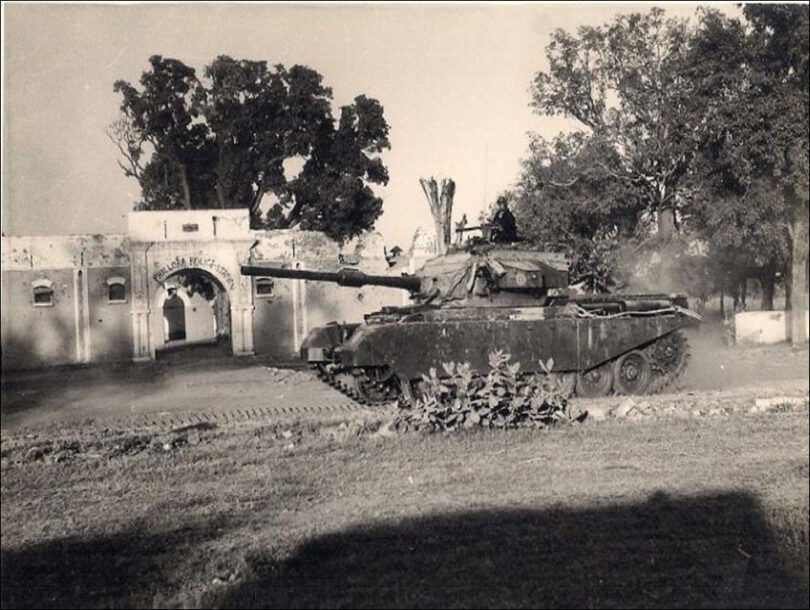
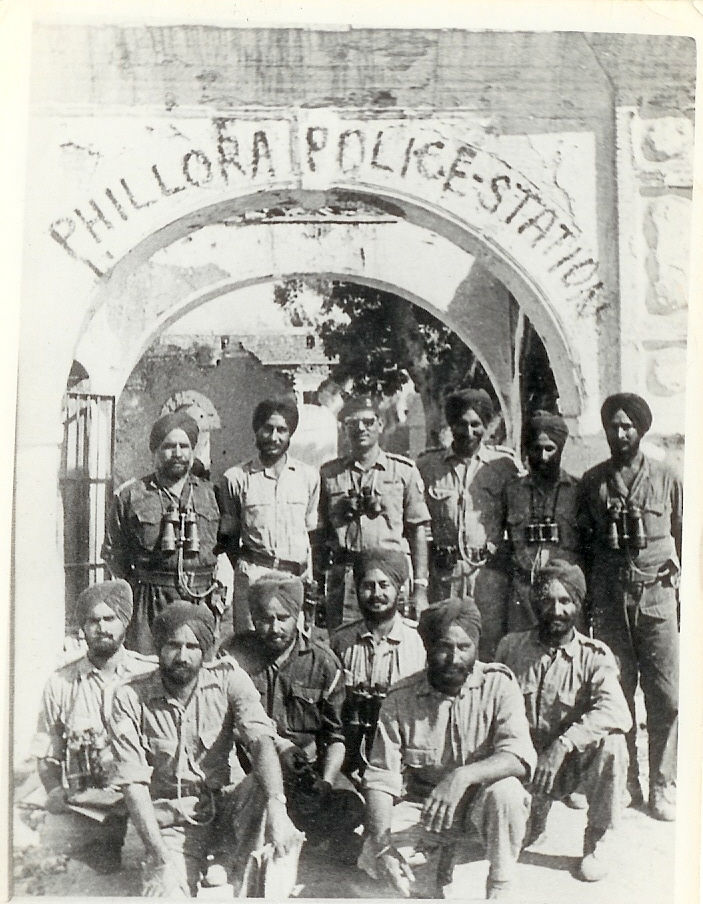
By the end of these three weeks war, 4th Horse had destroyed 79 tanks and 17 recoil-less guns of the enemy and knocked on the door of Phillora police station. Indian Army reached Lahore, but the last Indian casualty of that war shortly later and surprisingly, far away in Tashkent for ‘peace talks’, was Prime Minister Lal Bahadur Shastri.
Pakistan’s leading English daily, ‘The Dawn.’ of 6 September 2005 carried a comment, “….the 1965 war also led to an embargo of US arms supplies to Pakistan. Islamabad's use of American arms against India was against the assurances given by President Dwight Eisenhower to Jawaharlal Nehru that in case Pakistan used US-supplied arms against India, necessary corrective action would follow. Though the US bureaucracy and the Pentagon were prepared to look the other way if Pakistan had won the war, they found it difficult to overlook the miserable performance of Pakistani armour at Khem Karan”. In the same newspaper, Air Marshal (retd) Nur Khan, Chief of Pakistan Air Force during this war and one who was kept the dark about Operation ‘Gibraltar’, is quoted, “…It was a wrong war. And they misled the nation with a big lie that India rather than Pakistan had provoked the war and that we were the victims of Indian aggression”.
More great historical pieces:
Diamond Jubilee of the 1965 India-Pakistan War: https://www.thestrategicperspective.org/diamond-jubilee-of-the-1965-india-pakistan-war/
The Undefeatable Captain JK Sengupta – Not Letting Disability Hold You Down: https://www.thestrategicperspective.org/the-undefeatable-captain-jk-sengupta-not-letting-disability-hold-you-down/
Recounting Indian Navy's 1971 valour: Questions before the nation: https://www.thestrategicperspective.org/recounting-indian-navys-1971-valour-questions-before-the-nation/