
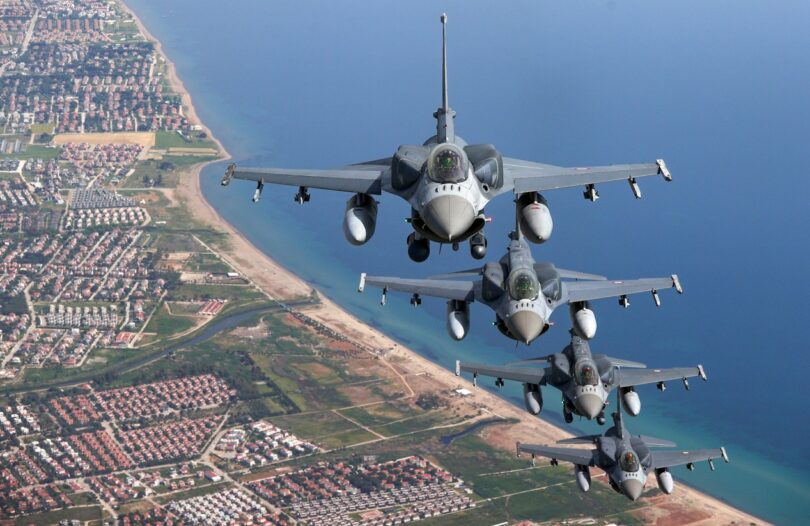

Turkey concluded the largest-ever edition of its EFES military exercise. The exercise was conducted between 20 - 30 May 2026, with more than 10,000 personnel from 50 nations participating in the demonstration of military power, defence technology, and regional diplomacy. The exercise was conducted in the İzmir region and the Aegean Sea. This was also the first time that Syria also participated while other nine nations such as Bulgaria, Netherlands. Sweden, Japan, Egypt, Poland, Vietnam and Portugal also made their debut appearance.
Although organized by Turkey, a NATO member, EFES 2026 consisted of both NATO allies and non-NATO partners. The exercise demonstrated Turkey’s ability to operate within Western military hemisphere while parallelly pushing to increase its defence ties across Africa, Asia, and the Middle East.
It is imperative to mention, that even though NATO was a major component of EFES 2026, the exercise was not officially a NATO exercise. Organized by the Turkish Armed Forces as a multinational drill, the exercise emphasized on alliance interoperability.
Syria’s presence was especially significant as it was among the first overseas military exercises involving Syria’s post-Assad armed forces after the fall of the Assad government in December 2024. According to reports, the Syrian armed forces participated in air assault operations and sniper training alongside multinational forces.
Pakistan was an active participant in EFES 2026. Pakistan’s involvement included in the planning and preparation phases of the exercise. Pakistani officers attended the EFES 2026 Main Planning Conference in January 2026 alongside personnel from allied and partner nations. This is indicative of the growing strategic alliance between both Ankara and Islamabad. It is vital to mention India did not participate in this exercise, also indicating the direction Turkey has taken and how with not much subtlety it is displaying its potential and existing alliances.
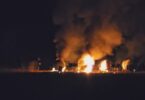
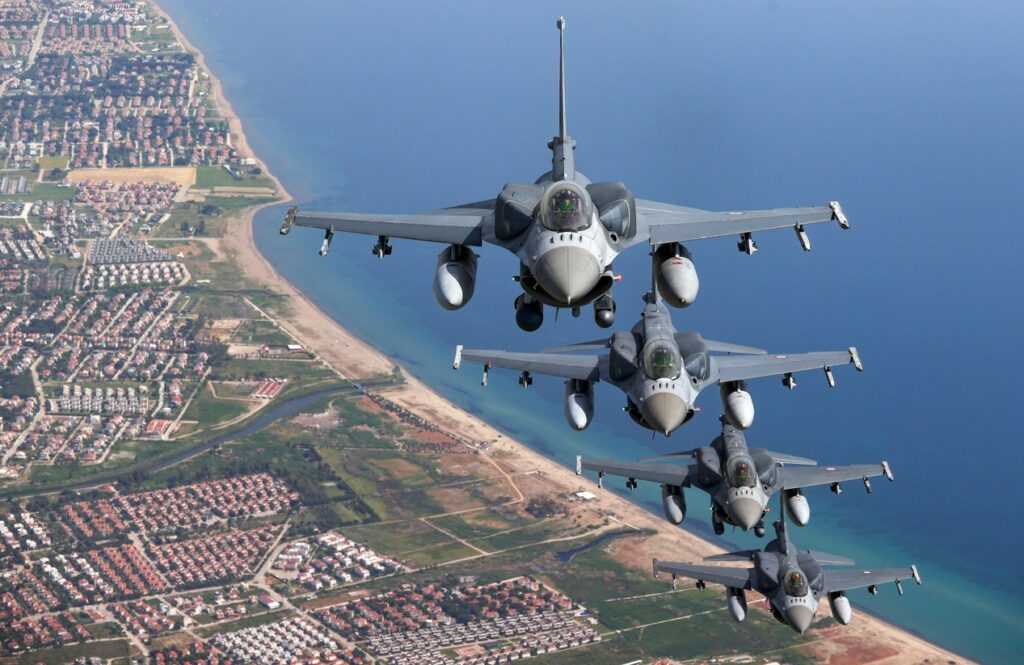
The exercise comprised of mixed land, sea and air assets to run drills both during the day and night at the Doğanbey Training Area in Seferihisar in Izmir.
Schedule and dates if conducted drills:
- 20–21 May 2026: The command-post and planning phase of EFES 2026 was initiated in the İzmir region.
- 22 May 2026: Turkish authorities officially confirmed the participation of Syria and Libya in the exercise.
- 25–29 May 2026: Live-fire and field-training phases took place at the Doğanbey Training Area and in İzmir Bay, involving amphibious landings, urban combat scenarios, airborne operations, and multinational force integration.
- 29 May 2026: The Distinguished Observer Day (DV Day) showcased the exercise’s most visible demonstrations, attended by senior military leaders, defence officials, diplomats, and international observers.
- 30 May 2026: EFES 2026 formally concluded after two weeks of activities, making it the largest edition in the exercise’s history.
Additionally, Libya also participated with personnel from rival eastern and western factions training together under a single Libyan flag, a development Ankara described as supporting its “One Libya, One Army” objective.
Libya participated in EFES 2026 with a contingent of more than 500 personnel drawn from both the country’s eastern and western military factions.
Participating forces rehearsed amphibious assaults, air-mobile operations, urban warfare, anti-terror missions, sniper employment, search-and-rescue activities, and combined-arms manoeuvres designed to mimic modern combat conditions.
Turkish defence officials stressed on the need for training against asymmetric and hybrid threats, while drawing lessons from conflicts in Ukraine, the Middle East, and other contemporary theatres. Electronic warfare, cybersecurity coordination, and command-and-control resilience were featured throughout the exercise.
One of the most watched systems was the Bayraktar TB3 unmanned combat aerial vehicle, designed to operate from short-deck naval vessels. The drone’s integration with Turkey’s amphibious assault ship, TCG Anadolu, highlighted Ankara’s intent to develop a sea-based unmanned aviation capability.
According to reports, many of the systems showcased represented recent additions to Turkey’s arsenal and reflected the military’s ongoing modernization efforts.
Furthermore, it was reported that more than 50 Turkish defence companies reportedly displayed products and emerging technologies during the event.
The Steel dome system made its first operational, field-tested debut as a unified “system-of-systems” during the EFES-2026 military exercise, held at the Doğanbey exercise area in Seferihisar, İzmir.
The Steel Dome (Çelik Kubbe) is Turkey’s AI driven, multi-layered integrated air and missile defence architecture. Developed domestically by Aselsan, Roketsan, and TÜBİTAK SAGE, the system is designed to provide comprehensive, nationwide airspace protection against everything from micro-drones to ballistic missiles.
While EFES remains a military training exercise, it appears to be functioning as a geopolitical signalling platform. The presence of nations from Europe, Africa, Asia, and the Middle East allowed Ankara to demonstrate both operational capability and diplomatic reach. Turkey’s message to showcase its ability to convene a diverse coalition of partners at a time of heightened global security tensions was apparent through EFES 2026.
More on Turkey’s policies:
Turkey’s Incirlik and NATO security arrangement: https://www.thestrategicperspective.org/turkeys-incirlik-and-nato-security-arrangement/
Somaliland Sparks Turkey–Israel Clash: https://www.thestrategicperspective.org/somaliland-sparks-turkey-israel-clash/
Turkey Explores Joining Saudi–Pakistan Defence Pact: https://www.thestrategicperspective.org/turkey-explored-joining-saudi-pakistan-defence-pact/
Turkey’s TPAO Enters Pakistan’s Hydrocarbon Frontier: Strategic Stakes Beyond Headlines: https://www.thestrategicperspective.org/turkeys-tpao-enters-pakistans-hydrocarbon-frontier-strategic-stakes-beyond-headlines/
Turkey’s Transnational Jihad: Proxy Warfare, SADAT and Terror Financing: https://www.thestrategicperspective.org/turkeys-transnational-jihad-proxy-warfare-sadat-and-terror-financing/