

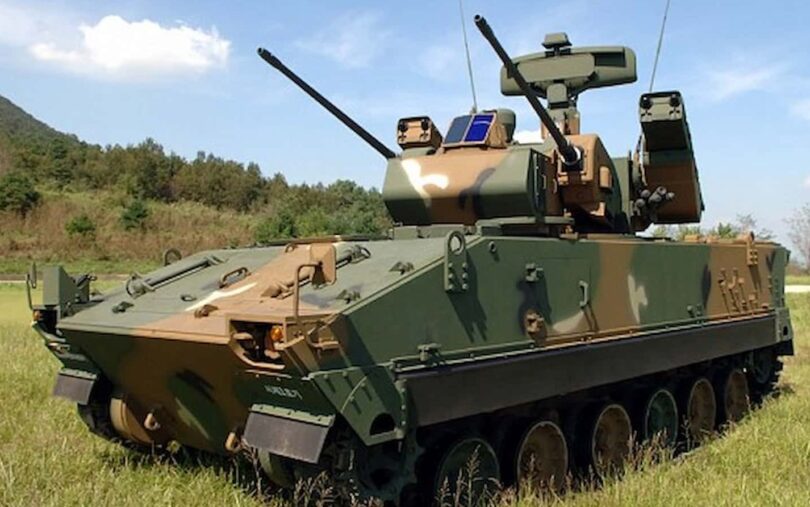

In the field of short-range air defence, India may have revived its interest in South Korea's K30 Biho self-propelled anti-aircraft system. According to reports, this platform was once expected to become a key component of the Indian Army's air defence network before the acquisition process was ultimately shelved.
With the renewed attention being given to the K30 Biho, it is apparent that the new thought process may be driven by the focus on the rapid proliferation of drones, loitering munitions, precision-guided weapons, and electronic warfare systems. Based on the recent operational experiences, such as that from Operation Sindoor, it is evident that there is the need for highly mobile, responsive, and layered air defence capabilities capable of countering aerial threats ranging from conventional aircraft to low-cost unmanned systems.
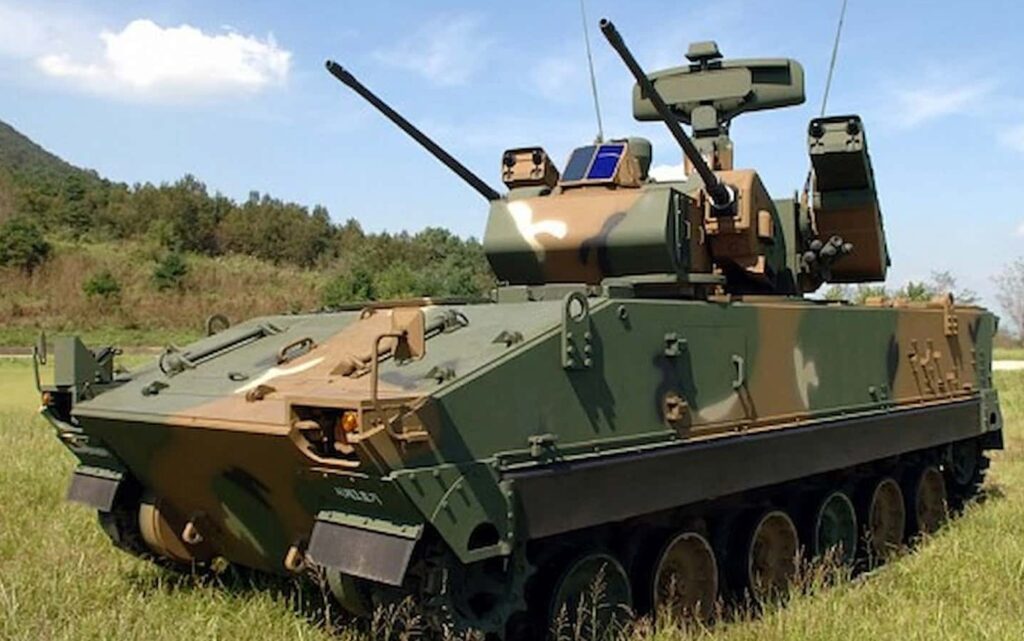
The K30 Biho is designed as a self-propelled short-range air defence platform, combining twin 30 mm automatic cannons with missile-based engagement capabilities. This allows it to engage both traditional airborne threats and emerging low-altitude targets. Its integrated radar and electro-optical tracking systems provide flexibility in contested electromagnetic environments, where dependency on active sensors alone may expose air defence units to detection and countermeasures.
The Army’s need for a mobile gun-missile air defence system comes from the increasing inadequacy of legacy systems and the possibility of rapid, stealthy threats in modern warfare. During extensive field trials, the K30 Biho demonstrated strong performance under diverse operational conditions, proving itself as one of the top contenders in the competition.
Despite these advantages, the programme stalled amid a broader policy shift favouring indigenous development and greater self-reliance in defence manufacturing. During this time, policymakers believed that domestic solutions could eventually fulfil the Army's requirements while supporting the growth of India's defence industrial base.
The Drone Revolution and Its Impact
The strategic calculus has evolved dramatically since that decision was made.
Analyzing conflicts across multiple theatres, it clear what significant disruptive impact inexpensive unmanned aerial systems can have. Drones that cost a fraction of conventional aircraft have increasingly been utilized for reconnaissance, precision strikes, battlefield surveillance, and saturation attacks. Their widespread availability has lowered the barriers to acquiring meaningful aerial capabilities, forcing militaries worldwide to rethink traditional air defence concepts.
These developments have leveraged the importance of fielding systems capable of detecting, tracking, and neutralizing large numbers of small and agile aerial targets. Conventional missile-based air defence systems remain vital for countering high threats, but they are often neither cost-effective nor operationally optimized for defeating swarms of low-cost drones.
Gun-missile systems, such as the K30 Biho, offer a pragmatic solution. By combining rapid-fire cannons with missile interceptors, they provide a layered engagement - capability that can address both conventional and unconventional aerial threats while maintaining a favourable cost-exchange ratio.
Lessons from Operation Sindoor
Operation Sindoor highlighted the increasing role of drones, loitering munitions, and networked battlefield systems in shaping operational outcomes. It also showed the necessity of maintaining persistent air surveillance and ensuring rapid engagement of rising threats across multiple domains.
One of the key lessons drawn from recent military operations is that air defence can no longer be viewed solely through the lens of protecting strategic assets from aircraft or missiles. Modern air defence networks must be efficient at addressing a continuum of threats, many of which mobilize at low altitudes, possess minimal radar signatures, and can be deployed in large numbers simultaneously.
Bearing these factors, it is comprehendible for Indian Army's renewed interest in a mature and field-proven platform such as the K30 Biho. It is evident that the requirement is no longer simply about replacing ageing systems but about acclimatizing to a fundamentally different threat environment.
Balancing Operational Urgency and Strategic Autonomy
A potential revival of the K30 Biho programme would inevitably raise questions regarding India's commitment to defence self-reliance. Over the past years, New Delhi has invested heavily in indigenous capability development under the broader framework of Atmanirbhar Bharat, seeking to reduce reliability on foreign suppliers and reinforcing the domestic manufacturing capacity.
However, defence planning frequently requires balancing long-term industrial objectives with immediate operational requirements. Developing an entirely indigenous system from concept to deployment can take a long time, particularly in technologically demanding sectors such as air defence. In such a case, an established platform can be inducted more swiftly, providing an interim capability while domestic programmes continue to mature.
Reports suggesting a high degree of local manufacturing and technology participation could help reconcile these competing priorities. A model centred on licensed production, domestic integration, and gradual localisation would allow India to enhance operational readiness while simultaneously expanding industrial expertise within the country.
Strategic Implications
The significance of the K30 Biho extends beyond the acquisition of a single weapons system. Its reconsideration reflects a broader shift in how India is preparing for future warfare. The emergence of drone-centric operations, the increasing sophistication of electronic warfare, and the growing complexity of battlefield air threats are driving demand for more agile and adaptable air defence solutions.
As military planners evaluate the requirements of the next decade, mobility, responsiveness, and multi-layered engagement capability are becoming as important as raw firepower. Systems designed to counter only traditional threats risk becoming increasingly inadequate in an era where inexpensive unmanned platforms can challenge even advanced militaries.
Regardless of K30 Biho ultimately entering the Indian service, the renewed debate surrounding its acquisition indicates to a critical reality, that is the character of aerial warfare is transforming rapidly, and air defence modernization can no longer be deferred.
More on defence systems:
Indo-Israeli Fire Control Systems Clear Trials, Boosting India’s Armoured Capability: https://www.thestrategicperspective.org/indo-israeli-fire-control-systems-clear-trials-boosting-indias-armoured-capability/
Japan Boosts Defence with Tomahawk-Armed JS Chokai: https://www.thestrategicperspective.org/japan-boosts-defence-with-tomahawk-armed-js-chokai/
Airbus Tests “Bird of Prey” Interceptor Drone: https://www.thestrategicperspective.org/airbus-tests-bird-of-prey-interceptor/
Hedging the Su-57: https://www.thestrategicperspective.org/hedging-the-su-57/
The BrahMos Bubble: https://www.thestrategicperspective.org/the-brahmos-bubble/